
After the age of 6 months, Iron became one of the most important nutrients for babies. During the first 6 months irons are fulfilled through breast milk or formula.
Iron deficiency is common in infants and young children in India, that’s why choosing the balanced meal is important.
Why Iron Is Important for Babies
Iron plays a crucial role in the overall development of a baby. Iron deficiency can significantly hinder a baby’s growth process.
Iron plays an important role:
- It is essential for healthy growth and development.
- It aids in the complete development of the brain.
- It helps in carrying oxygen in the baby’s blood.
Over time, iron deficiency can affect a baby’s energy levels, appetite, and overall development and can compromise their health. This is why iron-rich foods are recommended soon after starting solid foods. Iron-rich food is very beneficial for a baby’s health.
When Do Babies Need Iron Rich Foods?
Around 6 months of age, the natural iron stores in a baby’s body begin to deplete. This can lead to iron deficiency in the baby. At this stage:
- The baby’s body can no longer meet its iron requirements solely from milk.
- Complementary foods should include sources of iron so that the baby can absorb it properly.
- Initially, small amount is sufficient for the baby.
While continuing breast feeding or formula feeding, whichever the baby is receiving, iron-rich foods should be gradually introduced into the diet.
Iron-Rich Indian Foods for Babies
1. Moong Dal (Green Gram Lentils): In India, it is common to use moong dal as the first lentil for babies. It wouldn’t be wrong to say that it’s one of the traditional foods because this lentil is very nutritious, lighter, and easier to digest compared to other lentils.
How to offer: After thoroughly cleaning the lentils, wash them very well, then cook them until they are very soft, and mash them well before feeding. This will ensure that your baby doesn’t have any difficulty eating it.
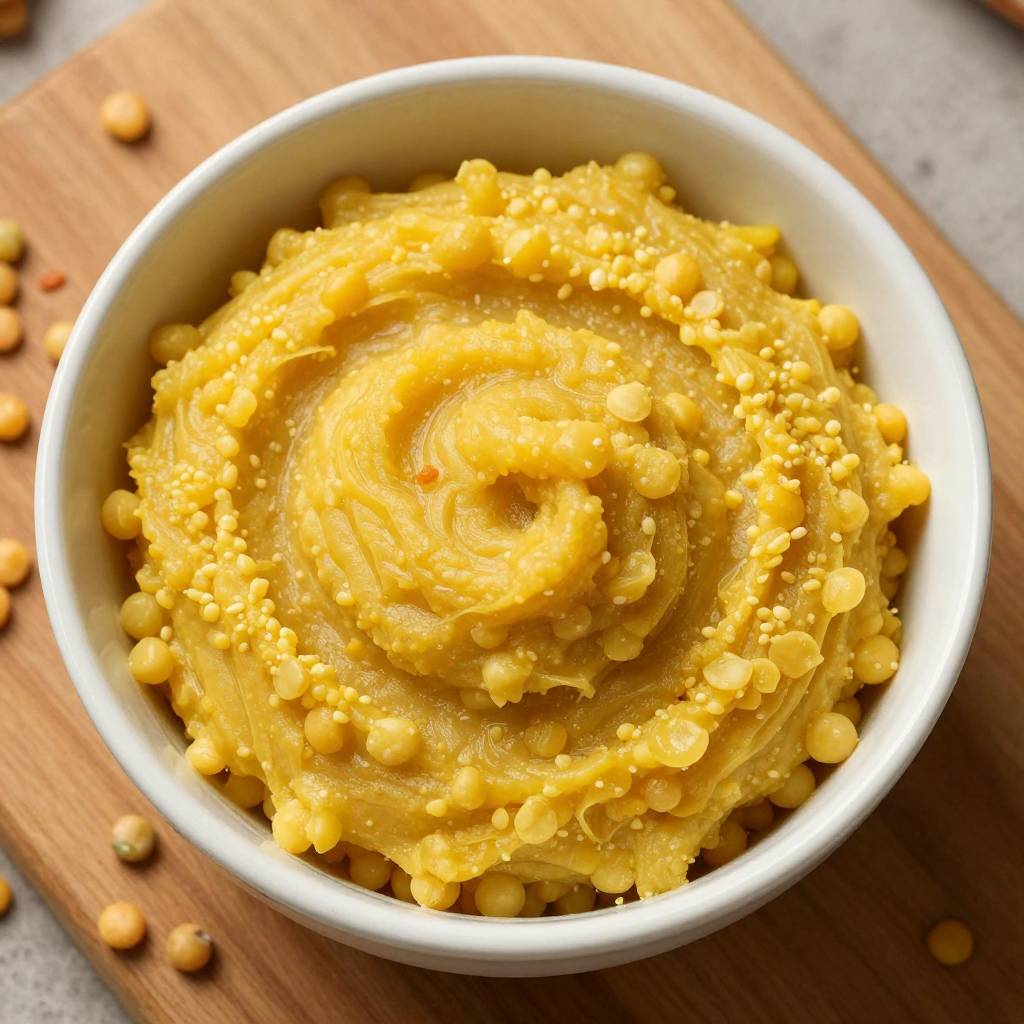
2. Masoor Dal: Masoor dal (red lentils) contains a sufficient amount of iron. It is often given to babies when they are able to digest regular lentils.
How to offer: Cook this dal thoroughly in a pressure cooker and mash it until it forms a smooth paste. Then feed it to your baby.
3. Ragi (Finger Millet): Ragi is a traditional Indian food. Ragi is one of the famous iron-rich grains. It is suitable for a baby’s diet in every way.
How to offer: Use properly prepared homemade ragi flour and cook it well to avoid lumps. Then use it.
4. Rice and Lentil Mixture: Combining grains with lentils makes the overall intake of nutrients better and more delicious.
How to offer: We can give our baby a soft khichdi made by mixing all the grains, which is very easily digestible. Sometimes you can give your baby lentils mixed with rice, which is very beneficial for a growing baby.
5. Green Leafy Vegetables (in moderation): Vegetables like spinach or drumstick leaves are rich in iron.
How to offer: Clean and wash the green leafy vegetables properly, cook them well, and mash them. After that, you can mix it with any food. Initially, give it to your baby in small quantities.
How Much Iron Do Babies Need in the First Year?
A baby’s iron needs change during the first year. Infants are born with natural iron stores, as these natural stores reduce, babies begin to need more iron from foods after 6 months. Iron intake may vary for breastfed and for formula-fed babies. Some breastfed babies may need iron supplements, while babies consuming iron-rich formula milk usually do not require supplements.
Research suggests that babies need around 0.27 mg of iron per day up to 6 months, increasing to around 11 mg per day between 7 and 12 months.
Tips to improve iron absorption:
- Give your baby iron-rich foods regularly, not just occasionally, as iron is essential for their growth and development.
- Combine iron-rich foods with vitamin C-rich vegetables (such as pumpkin or squash). This will make it both tasty and nutritious.
- Always avoid giving your baby tea, coffee, or sugary foods. Never give these things to your baby.
- Keep the texture of your baby’s food soft and appropriate for their age.
A Gentle Reminder
Every baby is diffrent, some babies accept iron-rich foods easily, while others need time. Go slow with solids, follow your baby’s signs. Consult your pediatrician if you have any concerns about growth or nutrition of your baby.
How Nibsy Supports Parents
At Nibsy, we believe that early feeding should be simple, balanced and stress-free. Our role is to support parents with clean, thoughtfully prepared options while encouraging informed and mindful feeding choices at home.
Frequently Asked Questions (FAQs)
After 6 months, milk alone may not meet a baby’s increasing iron needs. That’s why iron-rich complementary foods are recommended alongside breast milk or formula.
Iron-rich foods can be offered regularly in small amounts as part of everyday meals. Consistency over time is more important than quantity in the beginning.
Offering iron-rich foods along with vitamin C–rich vegetables and keeping textures age-appropriate can support better absorption.
If you have ongoing concerns about your baby’s feeding, growth, or overall nutrition, it’s best to consult a pediatrician for guidance.
Not always. Some breastfed babies may be advised supplementation based on individual needs, but this should only be done if recommended by a pediatrician.